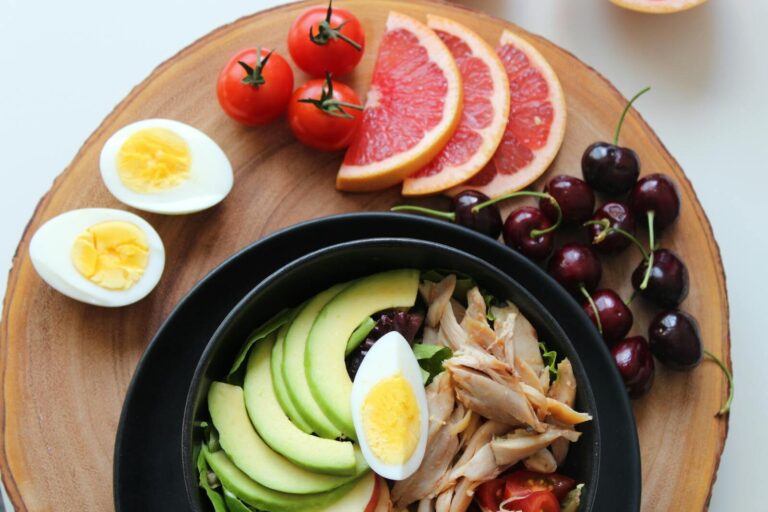

Photo by Look Studio
Starting the keto diet often feels exciting at first. You hear about fat burning, stable energy, and mental clarity. But then the real question hits: what am I actually supposed to eat every day?
And that’s where most beginners get stuck.
One moment you’re motivated to cut carbs and enter ketosis. The next moment you’re staring at your fridge wondering if that yogurt, sauce, or salad dressing will kick you out of ketosis.
A structured keto meal plan removes that stress completely.
Instead of guessing your macros or accidentally eating hidden carbs, a clear plan shows you exactly how to structure your meals so your body stays in fat-burning mode.
In this guide, you’ll learn how keto meal planning works, how to choose the right plan for your lifestyle, and how to avoid the mistakes that cause many beginners to quit too early.
Why Keto Works (And Why Carbs Make It Harder)

To understand why a keto meal plan matters, we need to talk about what happens inside your body.
Think of insulin like a storage manager.
Whenever you eat carbohydrates, your body converts them into glucose. Insulin then steps in and decides where that glucose goes. Some of it gets used for energy, and the rest gets stored as fat.
But when carbs stay low for long enough, something interesting happens.
Your body realizes sugar isn’t coming in anymore. So it switches fuel sources and begins burning stored fat instead.
This fat gets converted into molecules called ketones. And ketones act like a clean-burning fuel for your brain and body.
That metabolic shift is called ketosis.
So when your meals consistently stay low in carbs and higher in healthy fats, your body stays in that fat-burning mode.
And that’s exactly what a well-structured keto meal plan helps you maintain.
Why Beginners Struggle Without a Keto Meal Plan
Many people try keto without planning their meals. And honestly, that’s where the frustration usually begins.
You might start wondering whether you’re eating too much fat or not enough protein. Or maybe cravings hit because meals aren’t balanced properly.
Another thing that happens is accidental carb intake.
Sauces, packaged foods, and even certain vegetables can sneak extra carbs into your day. Suddenly ketosis stops, energy drops, and the dreaded “keto flu” shows up.
A clear keto meal plan prevents all of that.
It removes the guesswork and helps you stay consistent long enough for your body to adapt.
How a Keto Meal Plan Makes the Diet Easier
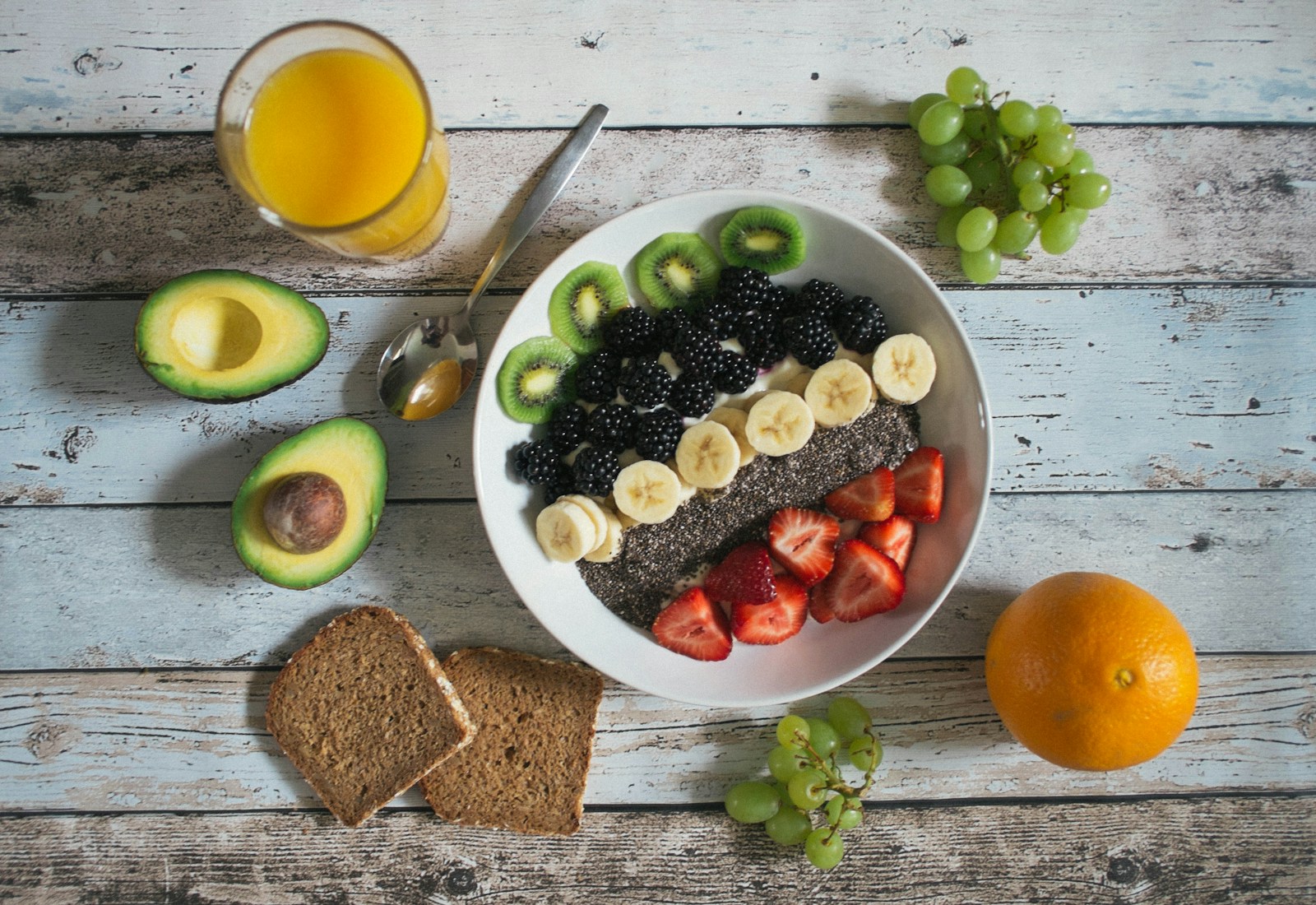
Once your meals are planned ahead of time, keto becomes surprisingly simple.
You wake up already knowing what breakfast looks like. Lunch is prepped or easy to assemble. Dinner becomes routine rather than a stressful decision.
So what should a beginner focus on when building keto meals?
- Choose protein sources like eggs, chicken thighs, beef, salmon, and tuna.
- Add healthy fats such as olive oil, butter, avocado, and full-fat cheese.
- Include low-carb vegetables like spinach, broccoli, zucchini, and cauliflower.
- Keep simple snacks ready like nuts, boiled eggs, or cheese cubes.
- Drink plenty of water and add salt to meals to maintain electrolytes.
Once these basics become routine, the diet feels far less complicated.
Choosing the Right Keto Meal Plan for Your Lifestyle
Here’s something many people don’t realize at the beginning.
There isn’t just one keto meal plan that works for everyone.
Your schedule, budget, and food preferences all influence what type of plan will actually stick.
Some people thrive on simple, repetitive meals because they remove decision fatigue. Others prefer more variety to stay motivated.
And lifestyle plays a role too.
A busy professional may rely on meal prep and quick recipes. Someone focused on health optimization might prefer clean keto built around whole foods.
The important thing is choosing a style of eating that works with your daily routine instead of constantly fighting against it.
A Simple Keto Meal Plan Example for Beginners

When people first start keto, they often expect complicated recipes or strict macro calculations.
But honestly, the simplest meals are usually the most effective.
A typical beginner keto day might look something like this.
Breakfast could be scrambled eggs cooked in butter alongside sliced avocado with a little salt and pepper.
Lunch might include grilled chicken with roasted broccoli drizzled in olive oil.
Dinner could be baked salmon served with garlic sautéed spinach.
If hunger shows up between meals, a small handful of almonds or a few cubes of cheddar cheese usually does the trick.
Nothing complicated. Just real food that keeps carbs low and fats high enough to maintain ketosis.
Common Keto Meal Planning Mistakes
Even with the best intentions, beginners sometimes run into a few common traps.
One mistake is focusing too heavily on packaged “keto” products.
Many of these foods contain hidden carbs or artificial ingredients that trigger cravings. Whole foods almost always work better.
Another issue is undereating fat.
Remember, fat replaces carbs as your main energy source. Without enough healthy fats, energy dips and hunger increases.
And then there’s hydration.
When carbs drop, your body releases more water and electrolytes. That’s why adding salt to meals and drinking enough water is so important in the early weeks.
Small adjustments like these make keto dramatically easier.
Smart Keto Grocery Shopping for Beginners

One of the easiest ways to stay consistent on keto is by keeping the right foods in your kitchen.
When your fridge and pantry are stocked with keto-friendly ingredients, building meals becomes automatic.
- Protein sources like eggs, chicken thighs, ground beef, and canned tuna
- Healthy fats such as butter, olive oil, avocado oil, and avocados
- Low-carb vegetables including spinach, broccoli, cabbage, and zucchini
- Nuts and seeds for quick snacks
- Simple condiments like mustard, mayo, and hot sauce
Another helpful trick is sticking to the perimeter of the grocery store.
That’s usually where fresh, whole foods live.
Why Meal Prep Makes Keto Much Easier
One of the biggest breakthroughs people discover on keto is the power of meal prep.
Instead of cooking from scratch every day, you prepare key ingredients ahead of time.
Roasting a tray of chicken thighs, browning a batch of ground beef, and chopping vegetables can cover several days of meals.
And suddenly keto becomes incredibly convenient.
When food is already ready in the fridge, the temptation to grab carb-heavy takeout drops dramatically.
Final Thoughts
Keto becomes much easier when you remove the guesswork.
A structured keto meal plan keeps carbs low, energy steady, and progress consistent. Instead of worrying about every bite, you simply follow a clear routine built around whole foods.
And remember—every successful keto journey starts with simple meals and small adjustments.
So start with a beginner plan, experiment with foods you enjoy, and give your body time to adapt.
And I’d love to hear from you. What’s the biggest challenge you’re facing with keto right now? Let me know in the comments.
About the Author